Top Maintenance Tips for Travertine Countertops in Mediterranean Cooking Spaces
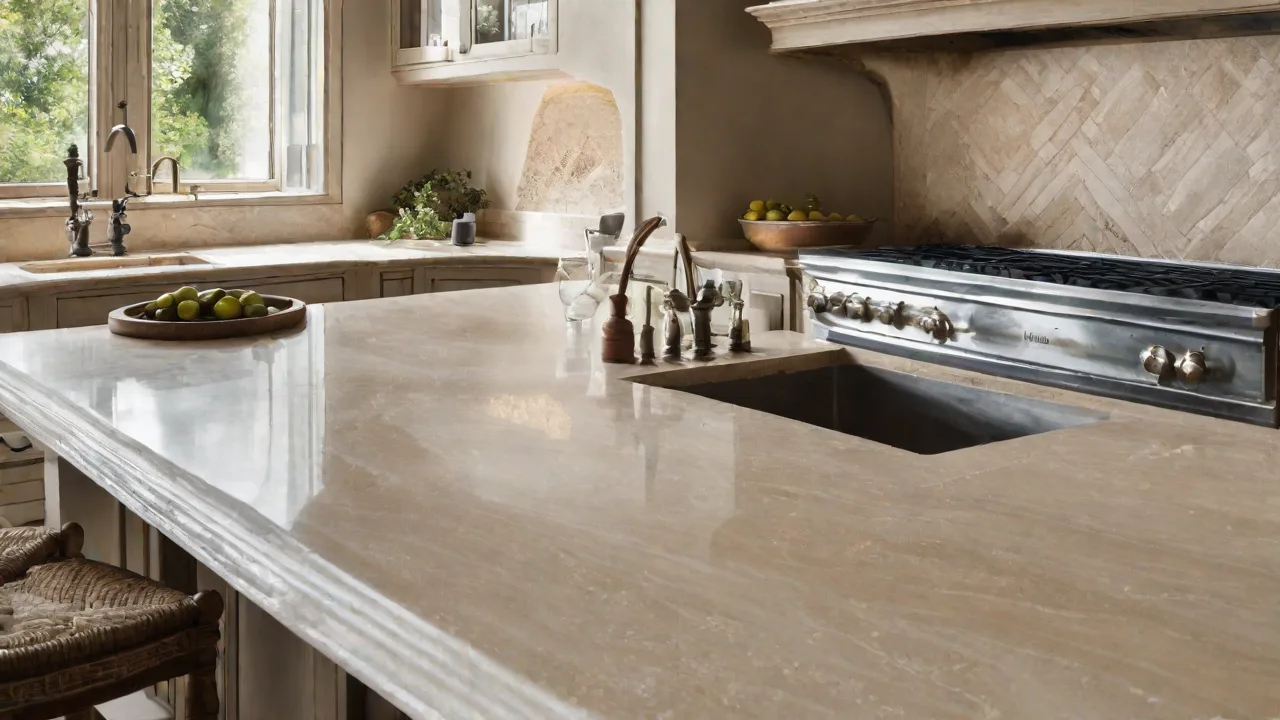
Travertine countertops add a touch of elegance and rustic charm to Mediterranean-style kitchens. Their natural beauty enhances the warm, inviting atmosphere typical of Mediterranean cooking spaces. However, to keep these surfaces looking their best, proper maintenance is essential. Here are some top tips to help you care for your travertine countertops effectively.
Understanding Travertine
Travertine is a natural stone formed from mineral deposits in hot springs and limestone caves. Its porous surface requires special care to prevent staining and damage, especially in a lively kitchen environment where spills and splashes are common.
Daily Maintenance Tips
- Clean spills immediately: Wipe up liquids like wine, oil, or citrus juice promptly to prevent staining.
- Use gentle cleaning solutions: Mix a few drops of pH-neutral soap with water for regular cleaning. Avoid acidic or abrasive cleaners that can etch the surface.
- Dry the surface: After cleaning, dry the countertop with a soft cloth to prevent water spots and mineral deposits.
Periodic Maintenance
To maintain the beauty of your travertine countertops, regular sealing is crucial. Sealants create a protective barrier that reduces porosity and prevents stains.
Sealing Tips
- Choose the right sealant: Use a high-quality, penetrating sealer suitable for natural stone.
- Apply evenly: Follow the manufacturer's instructions for application, ensuring full coverage.
- Re-seal regularly: Depending on usage, reseal your countertops every 6 to 12 months.
Additional Care Tips
Protect your travertine surface from scratches and damage by using cutting boards and avoiding heavy or sharp objects directly on the surface. Also, consider using coasters under glasses and hot pads under pots.
In a Mediterranean kitchen, where vibrant herbs, oils, and spices are common, regular maintenance ensures your countertops remain stunning and functional for years to come. Proper care not only preserves their appearance but also extends their lifespan.