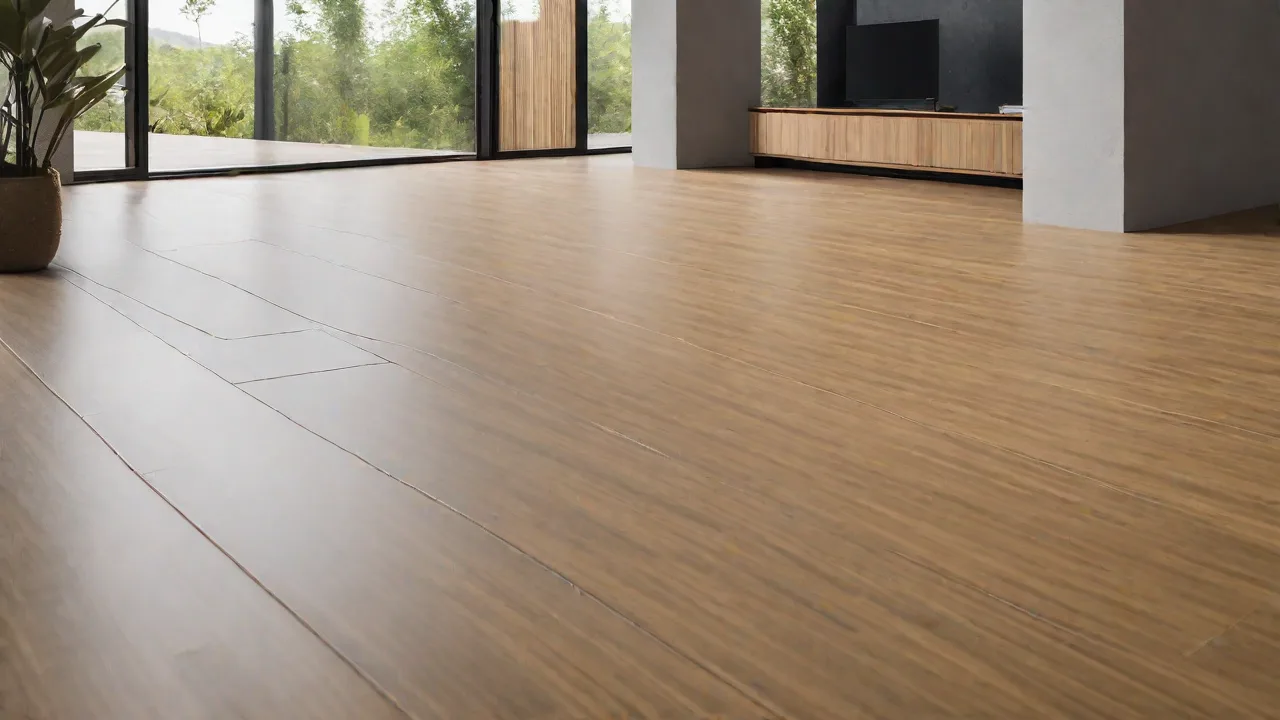
The Future of Bamboo Flooring Technology and Innovations in the Industry
Bamboo flooring has gained popularity in recent years due to its sustainability, durability, and aesthetic appeal. As environmental concerns grow, the industry is focusing on innovative technologies to enhance bamboo flooring's performance and eco-friendliness. This article explores the future trends and innovations shaping the bamboo flooring industry.
Emerging Technologies in Bamboo Flooring
Advancements in manufacturing processes are driving the evolution of bamboo flooring. New techniques aim to improve the strength, water resistance, and overall lifespan of bamboo products. These innovations include:
- Cross-Laminated Bamboo: Similar to cross-laminated timber, this technology involves layering bamboo strips in different directions to increase stability and reduce warping.
- Enhanced Coatings: Advanced sealants and finishes provide better water and stain resistance, making bamboo flooring suitable for high-moisture areas.
- Nanotechnology: The application of nanomaterials enhances surface durability and reduces the risk of scratches and wear over time.
Sustainable Innovations
Sustainability remains a core focus for the industry. Future innovations aim to make bamboo flooring even more environmentally friendly, including:
- Organic Adhesives: Development of non-toxic, biodegradable adhesives reduces the ecological footprint of bamboo flooring production.
- Recycling and Upcycling: Recycling bamboo waste and scraps into new flooring products minimizes waste and promotes circular economy practices.
- Rapid Growth Cultivation: Improved farming techniques enable faster bamboo growth, ensuring a steady supply without harming ecosystems.
Smart and Digital Integration
The integration of smart technology into bamboo flooring is an emerging trend. Features include:
- Embedded Sensors: Sensors can monitor environmental conditions such as humidity and temperature to prevent damage.
- Smart Flooring Systems: IoT-enabled systems allow users to control lighting, heating, or other connected devices through the flooring interface.
- Digital Printing: Advanced printing techniques enable highly detailed and customizable surface designs, expanding aesthetic options.
Challenges and Future Outlook
Despite promising innovations, the industry faces challenges such as maintaining consistent quality, managing costs, and ensuring ecological sustainability. However, ongoing research and technological advancements are expected to address these issues. The future of bamboo flooring looks bright, with continuous improvements making it a top choice for eco-conscious consumers and architects.