The Best Tools and Materials Needed for a Successful Bamboo Flooring Installation
Installing bamboo flooring can transform a space with its natural beauty and durability. To ensure a successful installation, having the right tools and materials is essential. Proper preparation and the right equipment can make the process smoother and result in a professional finish.
Essential Tools for Bamboo Flooring Installation
- Measuring Tape: Accurate measurements are crucial for cutting and fitting the planks.
- Chalk Line: Helps mark straight lines for alignment.
- Saw: A miter saw or circular saw for cutting bamboo planks to size.
- Hammer or Rubber Mallet: Used for fitting planks together snugly.
- Tapping Block: Protects the surface of the planks during installation.
- Pull Bar: Ensures tight joints between planks.
- Level: Checks that the subfloor and flooring are even.
- Spacers: Maintain expansion gaps around the perimeter.
Materials Needed for a Smooth Installation
- Bamboo Flooring Planks: The main material, available in various finishes and styles.
- Underlayment: Provides cushioning, sound absorption, and moisture barrier.
- Adhesive or Nails: Depending on the installation method, choose appropriate fasteners.
- Moisture Barrier: Protects against moisture damage, especially in basements or humid areas.
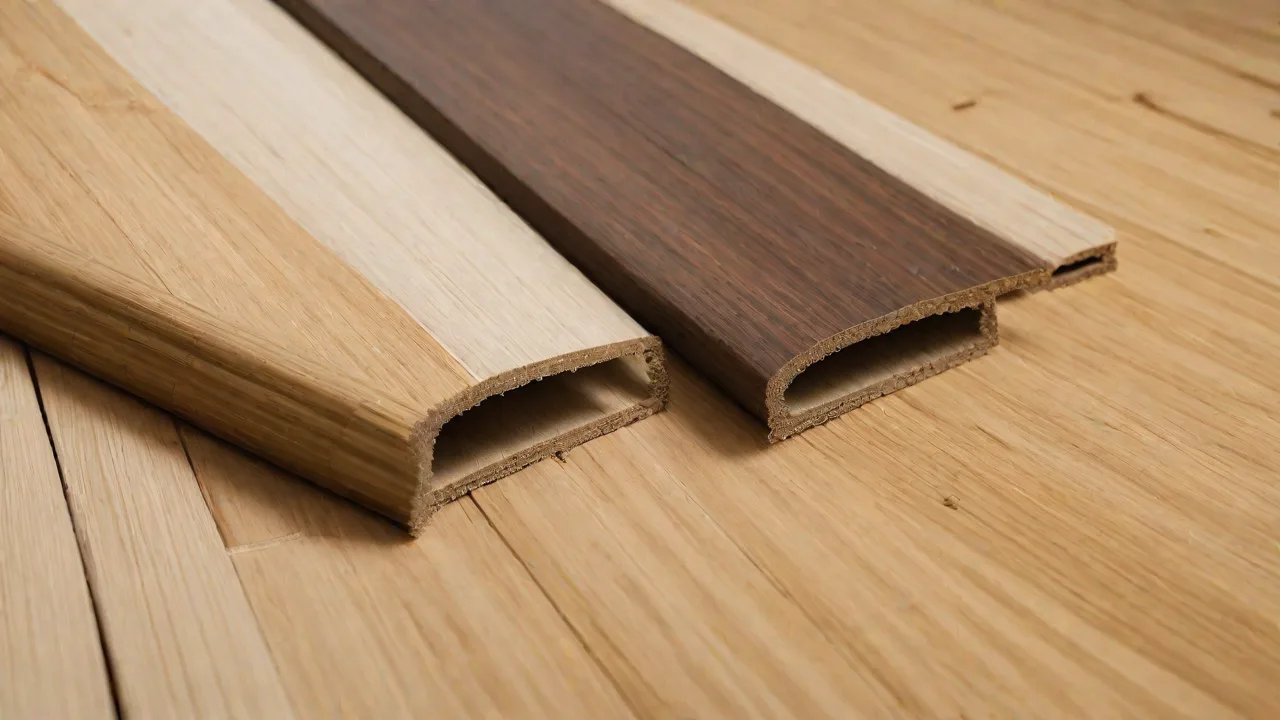
- Transition Strips: For seamless transition between different flooring types or rooms.
- Cleaning Supplies: Broom, vacuum, and damp cloths to prepare the subfloor.
Additional Tips for a Successful Installation
Properly preparing the subfloor is vital. Ensure it is clean, level, and dry before laying down the underlayment and flooring. Acclimate the bamboo planks in the room for at least 48 hours to prevent expansion or contraction after installation. Follow the manufacturer's instructions carefully, especially regarding expansion gaps and adhesive application. Finally, take your time to ensure each plank is fitted tightly for a professional look and long-lasting durability.