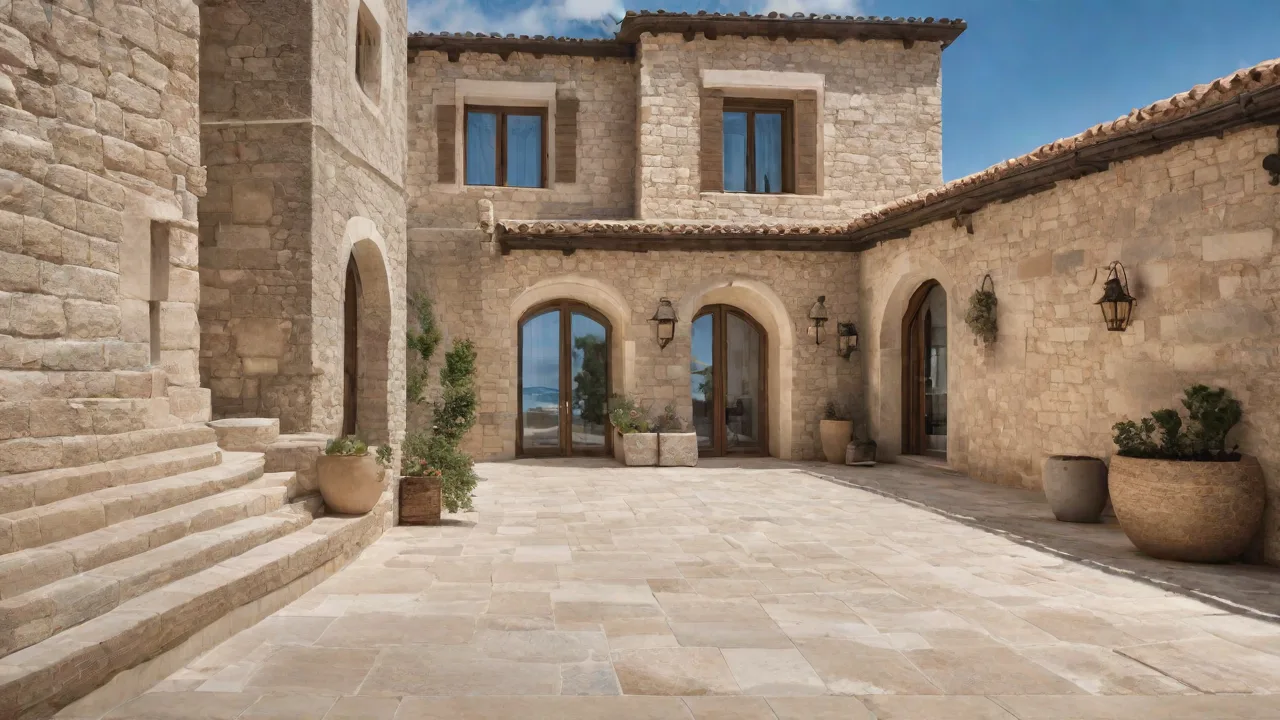
How to Use Natural Stone to Enhance the Architectural Features of Your Mediterranean Kitchen
Natural stone is a timeless material that can beautifully enhance the architectural features of your Mediterranean kitchen. Its durability and warm aesthetics make it an ideal choice for creating a cozy, rustic, yet elegant space that reflects the charm of Mediterranean design.
Choosing the Right Natural Stone
There are several types of natural stone suitable for Mediterranean kitchens, each offering unique textures and colors:
- Travertine: Known for its soft, earthy tones and textured surface, perfect for flooring and backsplashes.
- Marble: Elegant and luxurious, ideal for countertops and accent walls.
- Slate: Its dark hues and matte finish add depth and contrast to the space.
- Limestone: Light-colored and smooth, suitable for walls and flooring.
Applying Natural Stone in Your Kitchen
Integrating natural stone into your Mediterranean kitchen can be done in various ways to highlight its architectural features:
- Backsplashes: Use travertine or marble to create a stunning focal point behind the stove or sink.
- Countertops: Marble or limestone countertops add elegance and durability.
- Flooring: Choose textured travertine or slate for a rustic, warm feel underfoot.
- Accent Walls: Incorporate stone walls in cooking or dining areas to add visual interest and texture.
Design Tips for a Mediterranean Look
To achieve an authentic Mediterranean style with natural stone, consider the following tips:
- Color Palette: Stick to warm, earthy tones like terracotta, ochre, and sandy beige.
- Textures: Mix smooth and textured stones to add depth and character.
- Complementary Materials: Pair stones with wrought iron fixtures, wooden cabinets, and ceramic tiles.
- Lighting: Use warm lighting to enhance the natural hues of the stone surfaces.
Maintenance and Care
Proper maintenance will keep your natural stone looking beautiful for years:
- Sealing: Apply a sealant to protect against stains and moisture.
- Cleaning: Use pH-neutral cleaners and avoid harsh chemicals.
- Regular Inspection: Check for cracks or chips and address them promptly.
- Avoid Excessive Water: Prevent water pooling on surfaces to reduce damage.
By carefully selecting and maintaining natural stone, you can create a Mediterranean kitchen that is both functional and aesthetically captivating, evoking the warmth and charm of coastal landscapes and rustic villages.